
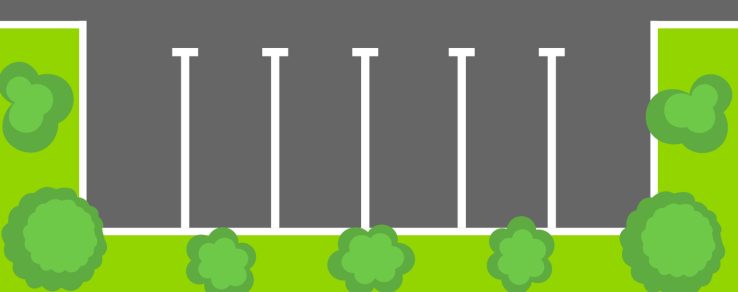
A lush green lawn may be a familiar part of the American landscape, but not every patch of grass serves a practical purpose. Consider the turf alongside parking lots, surrounding office buildings or separating lanes of traffic — areas rarely used for recreation or other activities. These are examples of non-functional turf, and they represent a growing opportunity for water utilities to reduce outdoor water demand and engage customers around long-term conservation.
As communities face changing climate conditions and growing pressure on water supplies, reducing unnecessary outdoor water use can play an important role in efficiency. For utility communicators, the challenge is helping customers understand what non-functional turf is, why replacing it matters and what alternatives are available.
Why Non-Functional Turf Matters
Outdoor irrigation can significantly impact water conservation, especially in dry climates and during periods of drought.
According to the California Department of Water Resources, commercial, industrial and institutional properties account for approximately 28% of the state’s total urban water use. Replacing non-functional turf with native plants, drought-tolerant landscaping and other water-wise alternatives reduces this demand.
The potential savings can be significant. For example, a California Water Service turf-conversion project estimated that replacing turf with drought-tolerant landscaping could save approximately 36 gallons of water per square foot annually. On a larger scale, Utah’s Landscape Incentive Program converted 3 million square feet of lawn to water-wise landscaping in 2024, with those projects expected to save more than100 million gallons of water each year.
The benefits extend beyond water savings. Depending on the replacement landscape, these projects reduce mowing and maintenance needs, support pollinators and create landscapes better suited to local climate conditions.
Replacing non-functional turf can also support broader water utility goals. Treating and delivering drinking water requires energy, infrastructure and other resources. By reducing unnecessary irrigation, communities conserve treated water for higher value uses.
Where to Find Non-Functional Turf
The key to identifying non-functional turf is considering how the space is actually used.
Functional turf serves a practical or recreational purpose, such as a soccer field, neighborhood park or community gathering space. In contrast, non-functional turf is maintained primarily for appearance rather than regular use.
Non-functional turf is commonly found in:
- Roadway medians and street rights-of-way
- Areas bordering sidewalks and parking lots
- Decorative landscaping around commercial properties
- Areas that are difficult or impossible for people to access
- Certain unused turf areas maintained by homeowners associations (HOAs)
Reducing non-functional turf doesn’t mean eliminating grass altogether. The goal is to use turf intentionally, preserving it where it provides value while identifying spaces better suited for more efficient landscaping.
A Growing Focus on Non-Functional Turf
For some water utilities, communicating about non-functional turf is no longer just an educational opportunity — it’s becoming a regulatory necessity.
California is one of the states leading this shift. Assembly Bill 1572 (AB 1572) prohibits the use of potable water to irrigate non-functional turf on commercial, industrial and institutional (CII) properties, as well as common areas managed by homeowners associations and similar organizations. The requirements will phase in over several years, beginning with certain public properties in 2027.
The legislation also creates an important role for utility communicators. By January 2027, California public water systems must update applicable water service regulations, ordinances or policies to reflect these new requirements and communicate them to customers.
Proactive education becomes essential to helping customers understand what qualifies as non-functional turf, whether their property is affected and what steps they can take to prepare.
Four ways utilities can turn non-functional turf education into customer action:
Show, Don’t Tell
The phrase “non-functional turf” isn’t particularly intuitive. Visual communications can make the concept much easier to understand.
Consider using before-and-after photos, illustrations or interactive graphics showing common examples, such as grassy medians, parking lot borders and decorative commercial landscaping.
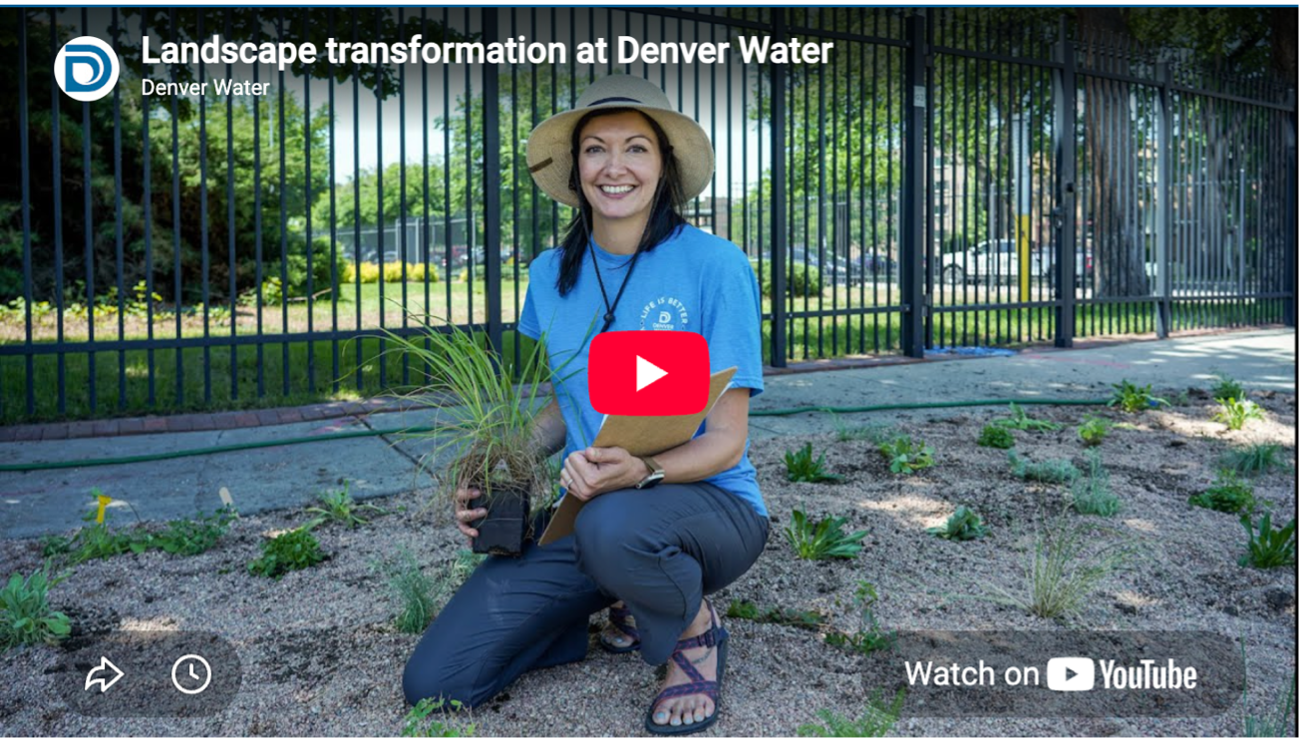
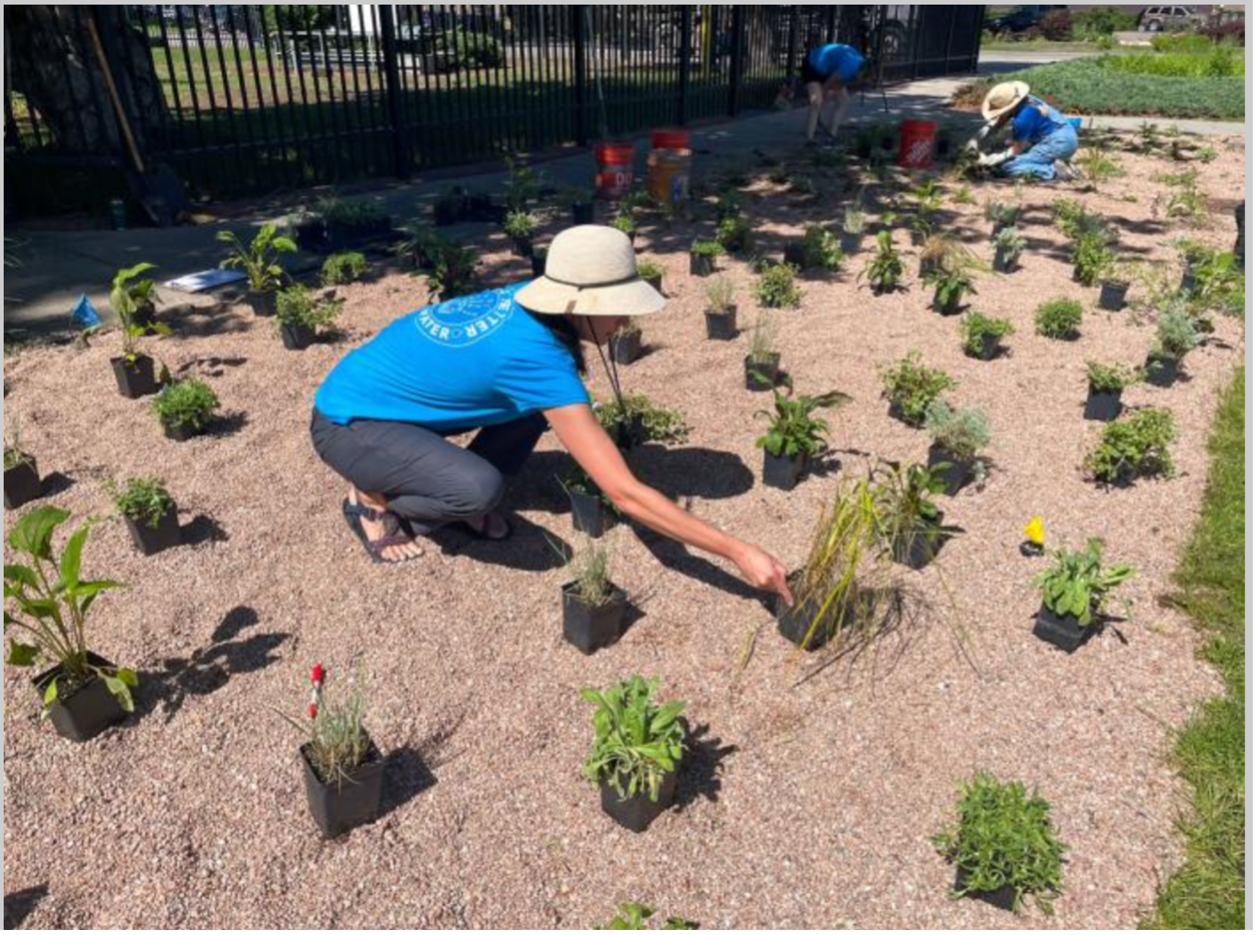
Denver Water brings turf transformation to life through its ColoradoScape in Progress initiative, which showcases real projects with photos and details about the amount of turf removed, what replaced it and estimated water savings. At one facility, the utility replaced 7,000 square feet of non-functional turf with native grasses, a project expected to save approximately 98,000 gallons of water annually.
Focus on Benefits, Not Sacrifice
Conservation messaging can sometimes sound like a list of things customers need to stop doing. Instead, utilities should position non-functional turf replacement around what customers can gain.
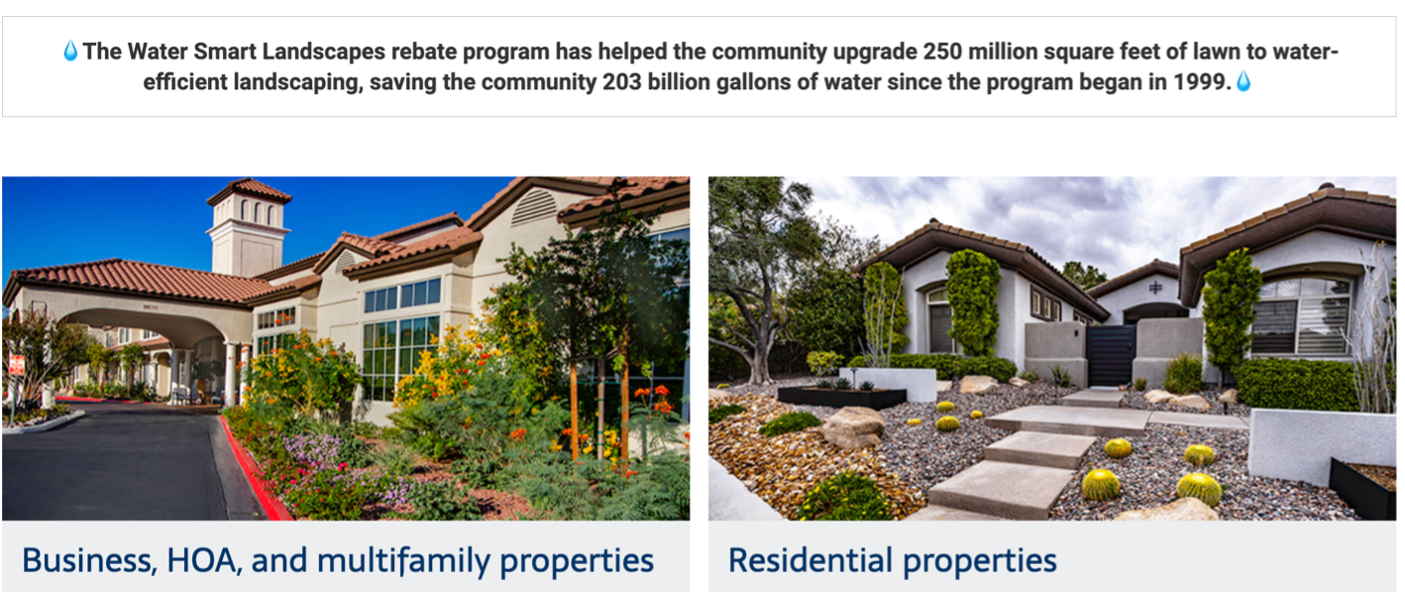
Show customers that water-wise landscaping doesn’t mean replacing green spaces with bare rocks. Native plants, flowering shrubs, ornamental grasses and other climate-appropriate options can create attractive landscapes while supporting water conservation goals.
Southern Nevada Water Authority (SNWA) positions turf replacement around tangible customer benefits, including reduced water use, less maintenance and cost-saving incentives. Its Water Smart Landscapes program has helped convert 250 million square feet of lawn to water-efficient landscaping.
Make the Next Step Easy
Education is more effective when customers know exactly what to do next.
Connect information about non-functional turf to available programs and resources, such as turf replacement rebates, landscape consultations or irrigation incentives.
Segmentation can make these communications even more effective. Commercial customers, HOAs and residential customers have very different landscaping needs, motivations and program eligibility. Tailoring messaging and resources to each audience makes the path to action clearer.
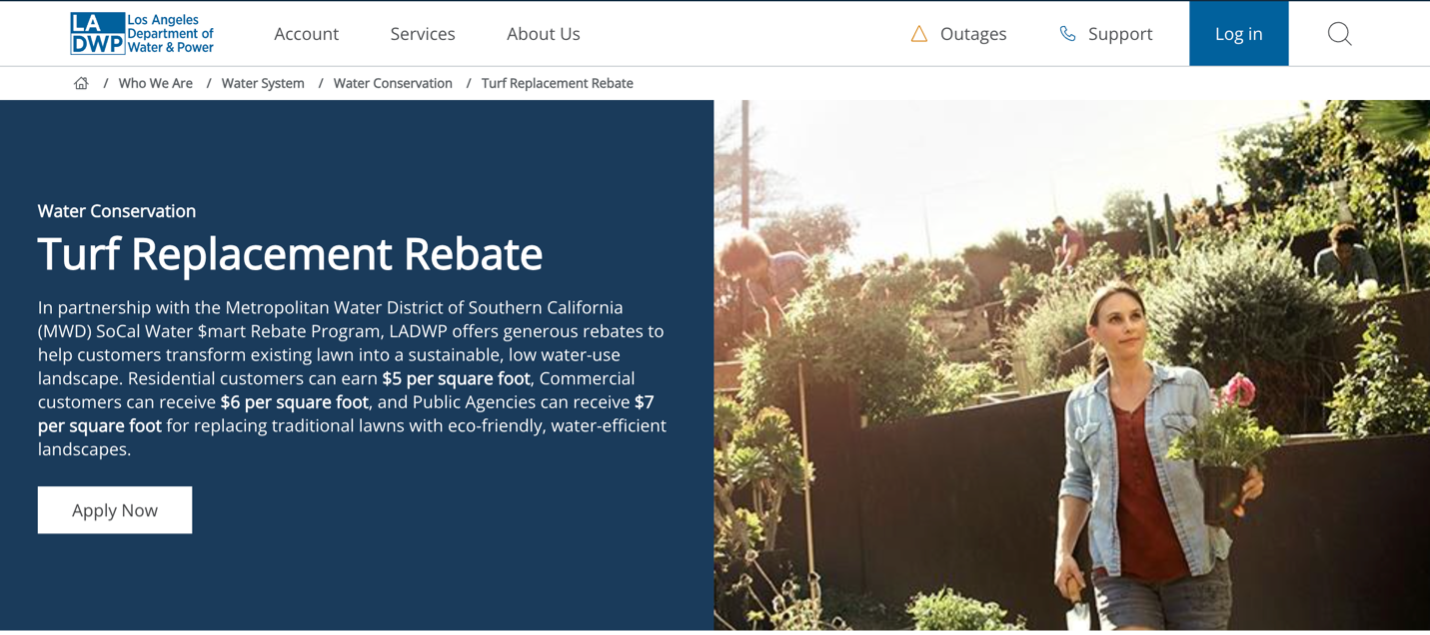
The Los Angeles Department of Water and Power (LADWP) makes turf replacement more manageable by guiding customers through each step of the process, from planning their project to claiming their rebate. Customers can access free landscape classes, design templates, plant lists, contractor guidance and other resources to help them create a sustainable, low-water-use landscape.
Communicate Proactively
Utilities shouldn’t wait until a compliance deadline to start communicating about non-functional turf. A phased campaign can gradually move customers from awareness to understanding to action.
Early communications might explain what non-functional turf is and why policies are changing. Later messages can help customers identify affected areas, explore replacement options, understand requirements and take advantage of available incentives.
For utilities facing upcoming requirements, such as California’s AB 1572, early education can reduce confusion as compliance deadlines approach. Building awareness ahead of time positions your utility as a helpful adviser throughout the transition.
Communication Meets Conservation
As expectations around water use continue to evolve, utilities play a critical role in helping customers understand why these changes matter.
By clearly explaining the difference between functional and non-functional turf, demonstrating the benefits of water-wise alternatives and connecting customers with practical resources, utilities can transform an unfamiliar concept into a clear path of action.