
Utilities communicate with customers every day. But delivering a message and making a meaningful connection aren’t always the same thing.
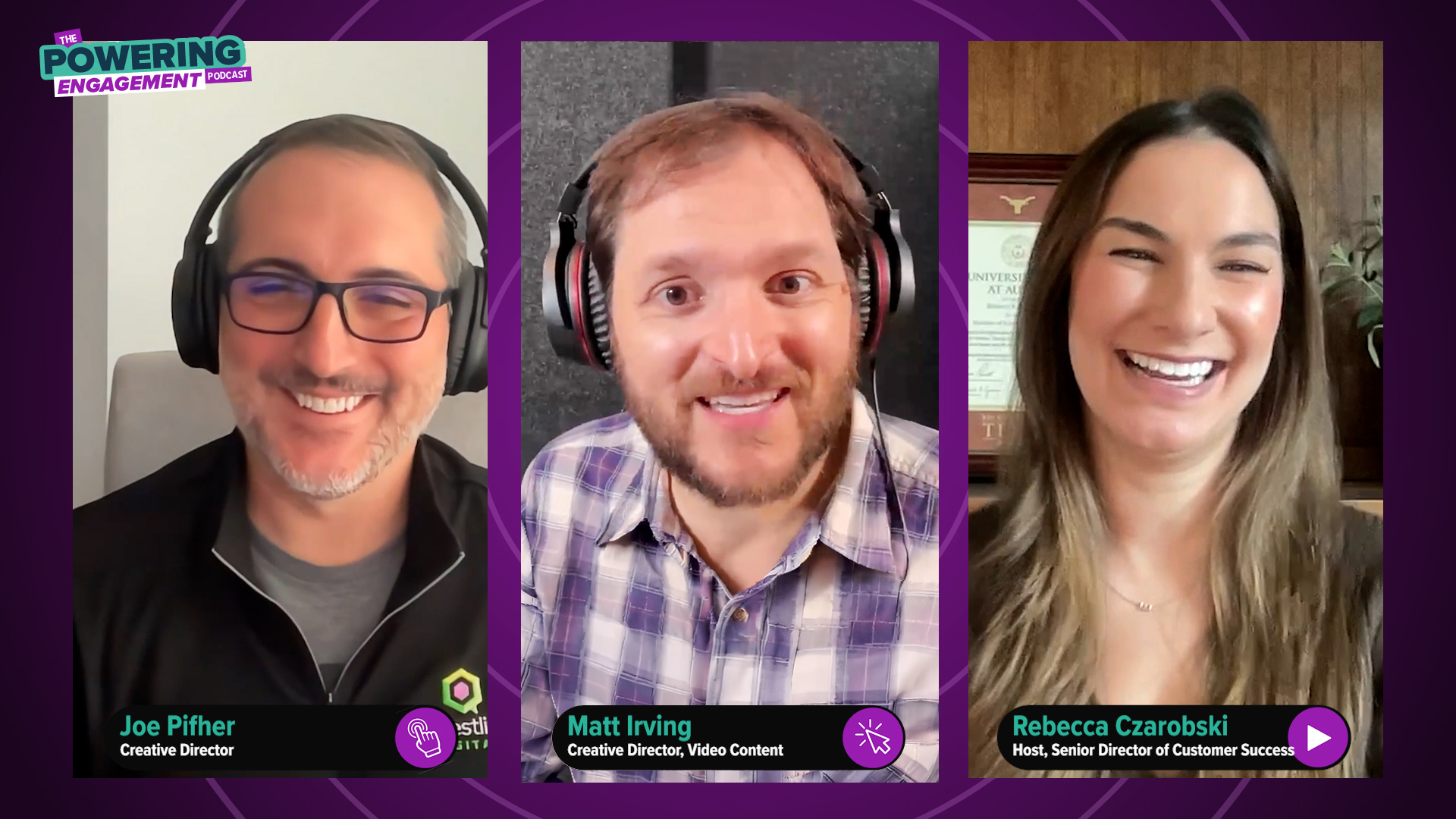
In Episode Three of the Powering Engagement Podcast Series: Advanced Personalization, the Questline Digital team explores how utilities can turn everyday customer communications into relevant, engaging experiences that build understanding and inspire action.
“The challenge isn’t getting information out the door,” says Rebecca Czarobski, Senior Director of Customer Success at Questline Digital. “The challenge is really helping customers pay attention, understand what you’re telling them and take action when it matters.”
One Message Won’t Resonate With Everyone
Sending the same message to every customer may be efficient, but that doesn’t necessarily make it effective.
As Matt Irving, Creative Director of Video Content at Questline Digital, explains, communicating with a large audience often means creating a message for the “greatest common denominator.” The problem is that a message designed for everyone may not feel particularly relevant to anyone.
“By sending it to everybody, you’re making it very generic, and that’s not going to be helpful for getting that message to be understood by any one person,” says Joe Pifher, Creative Director at Questline Digital.
That’s where segmentation and personalization can make a difference.
Utilities have access to a wealth of customer information, which can help them identify the messages most relevant to different audiences. The key is shifting the perspective from “What do we need to tell customers?” to “What does this customer need to know right now?”
Lead With Empathy
Effective communication starts with understanding what customers may be thinking and feeling when they receive a message.
High bill communications are a great example. When a customer’s bill increases, simply notifying them isn’t enough. Customers want to understand what caused the increase, what they can do about it and how they can avoid similar surprises in the future.
“Utilities have the information, but they don’t necessarily help their customers understand it,” Pifher says. “And understanding is really the most important aspect of any message that you’re sending out.”
A high bill can also be an emotional experience, especially for customers concerned about how they’ll pay it. Pifher emphasizes the importance of considering the customer’s perspective and the questions they may be asking, such as “Why does this matter to me?” and “What do I actually need to know?”
By explaining what contributed to the high bill and providing actionable steps, utilities can help answer these questions. Instead of simply delivering a notification, utilities have an opportunity to become a resource that helps customers understand and solve a problem.
Irving summed up this empathetic approach: “Put yourself in the shoes of the customer.”
Meet Customers Through the Right Channels
Creating a relevant message is only part of the equation. Utility communicators also need to consider where and when customers want to receive it.
Email remains an important communication channel, but customers increasingly expect information to be available in different formats. Depending on their preferences and the message itself, they may be more likely to engage through text message, an online account or mobile app, video or another digital experience.
“People are used to having whatever information they want in many different ways,” Irving says. “How can we communicate to you in the way you want to be communicated to?”
A multichannel approach gives utilities more opportunities to meet customers on their terms.
Make Personalization Meaningful
Personalization goes much further than simply inserting a customer’s name into an email. The real opportunity is using customer data to make the information more relevant.
During the episode, Irving and Pifher discuss Questline Digital’s SmartVX personalized video solution, which uses utility customer data to dynamically create videos tailored to individual customers.
Depending on the available data, a personalized video could reflect a customer’s location, program enrollment, services, billing information and other circumstances. The technology makes this level of customization possible, but Irving emphasizes that technology isn’t the end goal: “The technology empowers the story.”
For example, a personalized high bill video could incorporate a customer’s actual bill and energy use.
“We can legit tell them your bill was this amount, and this is how much energy you use…so it’s hyper-personalized information that they’re receiving,” Pifher says.
A personalized video could also include individualized charts to illustrate a customer’s billing or energy usage history. The added context makes an unfamiliar program or rate easier to understand and gives customers the information they need to make an informed decision.
Give Customers What They Need
One example from the podcast episode shows how a personalized approach could work during customer onboarding.
Imagine a new customer named Joe. The utility knows his location, services and existing program enrollments. He’s already signed up for paperless billing and text alerts, but he hasn’t enrolled in autopay.
Rather than presenting Joe with every available program, a personalized welcome experience could introduce autopay while providing safety information relevant to his electric and natural gas services. It could also include links that allow him to immediately take the next step.
“We’re not telling him to sign up for My Alerts because he already has My Alerts,” Irving explains. “We’re not having him sign up for paperless billing. He already has paperless billing. We don’t need to do that. So let’s not waste Joe’s time.”
The same principle applies to financial assistance. Instead of making customers sort through every available resource, utilities should direct customers only to programs that apply to their unique circumstances.
Build Engagement One Positive Experience at a Time
Every communication is an opportunity to shape a customer’s relationship with their utility.
When customers repeatedly receive information that isn’t relevant to them, they may eventually tune it out. But consistently delivering useful communications creates a different expectation: When their utility reaches out, the message is worth their attention.
“They’re going to listen to you more often,” Irving says. “They’re going to open something you send because if you’re giving them communications they care about, maybe they’ll care about the next one just as much.”
That’s why advanced personalization isn’t simply about improving the performance of a single campaign. Each touchpoint builds trust, encourages future engagement and strengthens the customer relationship over time.