
Utilities send millions of customer communications every year, from billing notifications and outage alerts to program promotions and educational newsletters. Yet many utility marketers still struggle to answer a critical question: Are these communications actually influencing customer behavior?
Measuring utility customer engagement goes beyond email open rates and webpage clicks. The ultimate goal is helping customers take action, whether enrolling in paperless billing, signing up for financial assistance or participating in energy efficiency or water conservation programs.
To truly improve participation, utilities must look beyond traditional marketing metrics and adopt a more data-driven approach — one that connects communications with the latest customer information.
“Utilities have more opportunities than ever to connect with customers,” says Brian Lindamood, Executive Vice President at Questline Digital. “The challenge isn’t just sending communications, it’s making sure those messages are actually relevant to customers’ needs and interests.”
Meeting Customer Expectations for Targeted Messages
Customer expectations for utility communications have evolved over the past several years. Today’s consumers interact daily with companies like Amazon, Apple and other leading brands that have set a new standard for personalized communications.
These companies use data to deliver highly targeted messages — from customized product recommendations to mobile notifications about order updates or rewards programs. As a result, consumers have grown accustomed to receiving information that reflects their preferences, behaviors and immediate needs.
The same expectations are increasingly shaping how customers engage with their utility providers.
“Customers today are accustomed to highly personalized communication from the brands they interact with every day,” says Mark Wilkinson, Executive Vice President at Advanced Utility Systems. “Modern brands have trained consumers to expect relevant information that reflects what they’re experiencing in the moment. Utilities have access to a tremendous amount of customer information. When that data is used effectively, it can power communications that are far more meaningful to the customer.”
While utilities operate differently than retail and technology companies, customers still expect communications that are timely, relevant and easy to act on. Generic, one-size-fits-all messages are becoming less effective as customers look for content that directly relates to their actual usage, billing situation and program eligibility.
Data-driven communications can help utilities meet these evolving expectations. By leveraging insights from billing systems, customer interactions and energy usage data, utilities can deliver messages that are better aligned with each customer’s unique situation. For example, utilities can use data to proactively share financial assistance resources with customers who may have fallen behind on their energy bill payments.
“Relevance is what drives engagement,” Lindamood explains. “When utilities communicate with customers at the right moment — whether it’s during a billing cycle, after a service interaction or when a program could help them — those messages become far more impactful.”
When utilities communicate with the same level of personalization that customers experience from other trusted brands, they create stronger engagement, build greater trust and help customers make more informed decisions.
Relevant Outreach Improves the Customer Experience
Every department within a utility interacts with customers in different ways.
Billing teams monitor account activity, payment patterns and enrollment in programs like paperless billing and auto pay. Customer service teams interact directly with customers, answering questions about bills, programs and account management. Meanwhile, marketing teams develop campaigns designed to inform, educate and engage customers.
Individually, each team holds valuable information about customer behavior. But when these insights remain isolated within departments, utilities miss opportunities to create more effective communications.
For example, when a customer calls with questions about a high bill, customer service representatives have access to valuable information about their usage trends, payment history and whether they’re enrolled in specific programs or services. When representatives use that information to trigger helpful communications — such as energy efficiency tips or assistance programs — it creates a great customer experience.
“Billing and customer service teams interact with customers every day, and they often have insights that communications teams don’t see,” Wilkinson says. “When those insights are shared across departments, utilities can better align their communications with the needs of their customers.”
Turning Customer Data into Program Participation
Utilities across the country offer programs designed to help customers manage costs, improve efficiency and take advantage of digital account management tools. However, many utilities struggle to achieve a desired level of participation.
Data-driven communications can help utilities better understand the customer journey from receiving a marketing message to ultimately enrolling in a program.
For example, if a campaign promoting paperless billing generates strong open rates but low enrollment, the issue may not be the message itself. Instead, there may be friction in the enrollment process, confusion about benefits or the program may not be relevant to a particular customer.
“Customers are far more likely to engage with information that arrives at the moment they need it,” Wilkinson says. “When communications are timely and connected to what the customer is experiencing, open rates increase, trust grows and customers are more likely to act on the information.”
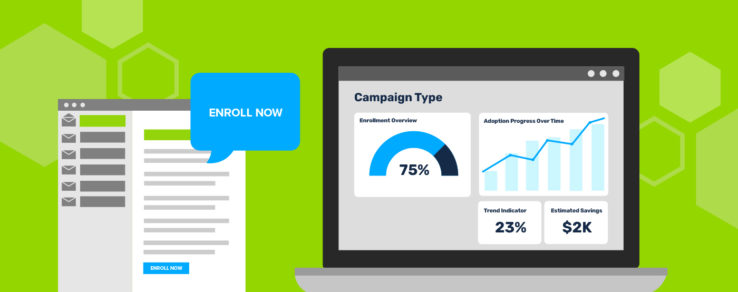
To help utilities improve engagement and program participation, Advanced Utility Systems and Questline Digital developed Customer IQ, a tool designed to bridge the gap between customer information and customer communications.
Through a centralized dashboard, utility teams can see program participation data and quickly identify opportunities to increase customer understanding and improve enrollment. From there, they can easily launch ready-to-deploy campaigns to educate customers and drive conversions.
“Customer IQ helps utilities connect communications with the customer data in their CIS,” Wilkinson explains. “Utilities can identify which customers would benefit from specific programs and deliver personalized communications that encourage action.”
Customer IQ also helps align teams across the organization. Billing, customer service and communications teams can access insights about customer behavior and program performance, making it easier to coordinate strategies and improve the customer experience.
“Utilities already have a tremendous amount of data about their customers,” Wilkinson says. “The key is putting that data to work so communications are timely, relevant and connected to the actions customers are most likely to take.”
Communications Powered by Real Customer Insights
As utilities introduce new programs, services and digital tools, effective communication will play an increasingly important role in helping customers understand their options.
For continued success in the future, utilities must embrace a data-driven approach to customer engagement, connecting communications strategies with real customer insights.
“The utilities seeing the strongest engagement today are the ones using data to guide their communication strategies,” Lindamood says. “When communications are informed by customer information, they become far more effective at building relationships and encouraging participation in programs.”
See How Customer IQ Can Help Your Utility
Contact your Questline Digital account representative or reach out to our team today.