
Public power utilities play a vital role in the communities they serve. However, many customers don’t realize what makes public power utilities unique — or how these differences benefit their daily lives.
Discover public power communication strategies to help your utility strengthen its narrative and showcase the value of public power.
Why Public Power Matters
One of the defining qualities of public power is its connection to the community. Serving more than 55 million people across the United States, public power utilities help to strengthen the communities they serve.
According to the American Public Power Association, there are more than 2,000 public power utilities across the country. Owned and operated by local government, their mission is aligned with what matters most to customers — reliable service, fair rates and long-term community wellbeing.
When customers realize they have a voice in their utility’s direction — and that revenue stays within the community — they see the true value of local ownership. Public power communications help customers understand that decisions are made with their best interests in mind.
To tell a more compelling story, utilities must consistently communicate about the key distinctions of public power – and how these differences benefit customers. The benefits of public power communication include increased awareness, stronger trust and a clearer understanding of how community-focused utilities deliver value.
Promote Greater Transparency
Since public power utilities aren’t accountable to shareholders or investors, residential and business customers have a strong voice in daily operations. Meetings, budgets and major decisions are typically made public, allowing customers to stay informed, ask questions and participate in the planning process. From rate plans to sustainability goals, every decision stays close to home and reflects the community’s values.
Utilities can reinforce this message in public power communications by regularly sharing updates from board meetings, explaining decision-making processes and inviting customers to participate in planning efforts. Proactively communicating about upcoming projects, rate changes and clean energy initiatives helps keep customers informed and engaged.
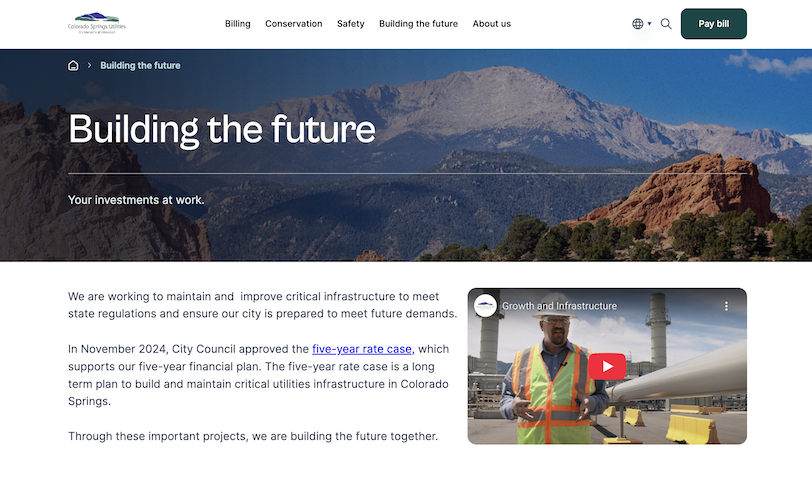
Colorado Springs Utilities’ Building the Future page provides customers with a direct look at the utility’s infrastructure plans and investments, helping the community understand why major projects are happening and how they support long-term reliability.
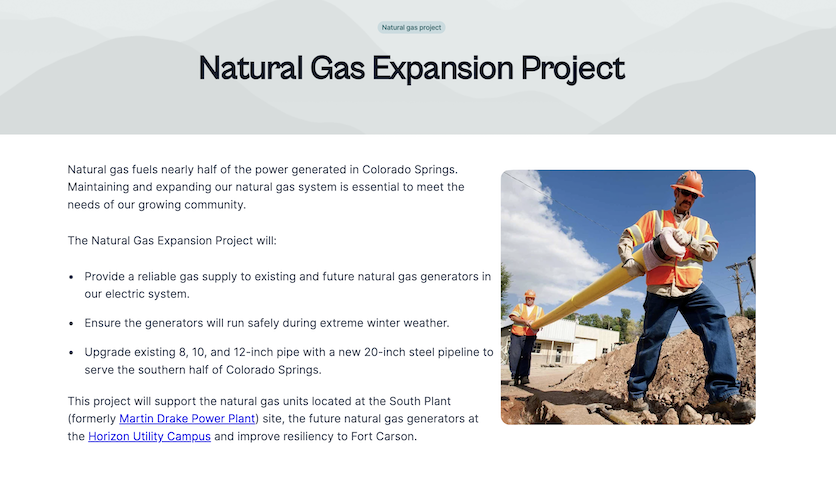
This public power communications example explains how the utility is maintaining and improving critical systems to meet regulatory requirements and future demand. Through clear, easy-to-understand language, Colorado Springs Utilities gives customers context around complex initiatives, like budget planning, infrastructure upgrades and long-range projects like a natural gas expansion project. The utility connects these investments to customer outcomes — reliability, regulatory compliance and serving a growing population.
Show the Local Impact
Because public power utilities reinvest their revenue locally, they have a profound impact on economic development. They support local jobs, attract new businesses and contribute significantly to city and state budgets.
Public power communication strategies around this economic benefit help customers understand that paying their bill does more than keep the lights on — it supports the long-term health of their community.
Stories about partnerships with local businesses, investments in infrastructure or contributions to community services can bring these benefits to life. These communications make the utility’s impact more relatable to customers, increasing public power customer engagement.
Last year, Missouri River Energy Services (MRES) created a social media campaign, “25 Careers in Public Power in 2025” to educate the local community, highlight different career paths in public power and encourage job seekers to apply. Each social post includes a call-to-action to “Find your career in public power.”
Through these impactful public power communications, customers gain a better understanding of the wide spectrum of jobs that help the utility operate effectively, including economists, cybersecurity/system administrators, marketing professionals and much more. This educational campaign is a great way to communicate how public power utilities support local jobs and economic development.

Focus on Reliability
Reliability is a key differentiator for many public power utilities. With lineworkers who live in the same community and a proactive approach to system maintenance, outages are often shorter and less frequent compared to other utility types.
Public power utilities should communicate this benefit through behind-the-scenes content, such as videos of crews preparing for storms or grid upgrade explanations. These public power communications are a simple, customer-friendly way also gives the community confidence in the utility’s commitment to keeping power safe and dependable.
ElectriCities of North Carolina uses its Public Power’s Reliability Pays Off page to clearly communicate the tangible benefits of public power reliability. Key reliability statistics — such as public power communities experiencing 40% fewer outages and restoring power three times faster — provide context to customers.
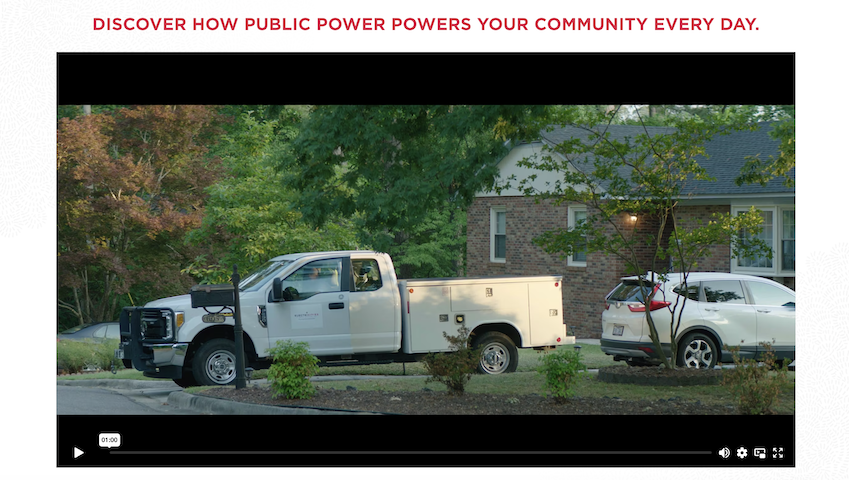
One of the most effective elements of its public power communication strategy is the use of video content. The educational video communicates the value of public power and how it delivers dependable energy and community benefits.
Highlight Affordability
Affordability is one of the most important public power benefits that utilities can emphasize in public power communications, especially during times of rising costs and economic uncertainty.
Because public power utilities are not driven by shareholder profits, they are able to reinvest revenues back into the community — helping keep rates competitive and stable over time. The most effective public power communication strategies clearly explain why public power costs less and how those savings benefit households and local businesses.
Alameda Municipal Power (AMP) in California communicates the core value of affordability, highlighting how rates are significantly below those of neighboring utilities. AMP’s website explains how being community-owned allows the utility to offer electricity at a lower cost, in some cases up to 20 percent below surrounding service areas.
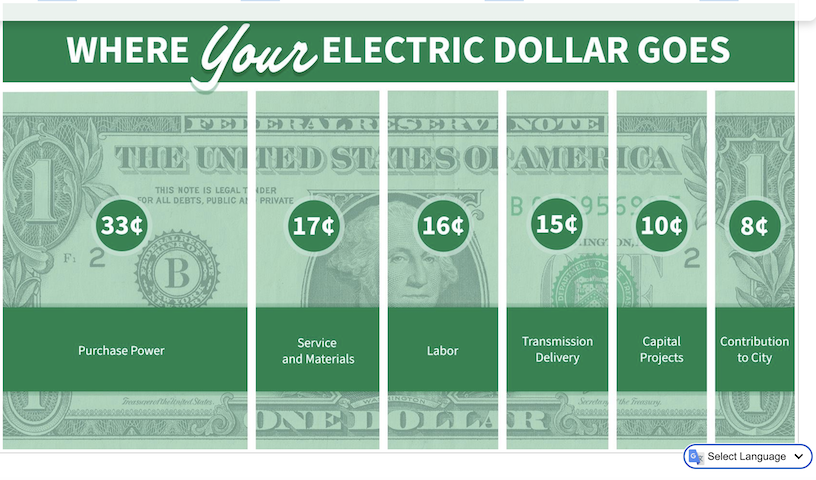
The utility also gives customers a transparent view of where their electric dollars go. An eye-catching visual breaks down how rates support power supply, system operations, infrastructure investments and contributions to the city. This public power communication strengthens trust by demonstrating how customer dollars remain in the community and support the electric system.
The Heart of Public Power
At its core, public power is about people. It’s about reliability customers can count on, decisions that put community needs first and a utility that reinvests every dollar into improving local services.
Through these effective public power communication strategies, utilities can strengthen trust, build awareness and help customers recognize the unique benefits of public power.