Relevant communication isn’t just a preference for consumers — it’s an expectation. Your customers want to see messages that speak to their needs and interests, and they don’t want to be bothered with messages that don’t.

For energy utilities, relevant communications are best achieved by employing customer segmentation. This tactic remains the best way to cut through digital clutter and deliver content that matters to each customer.

What is Utility Customer Segmentation?

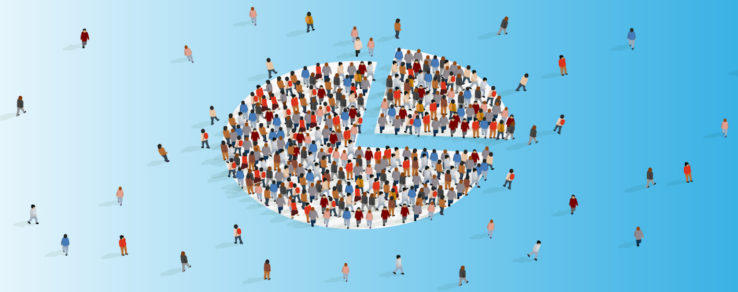
At its core, segmentation is a marketing strategy used to identify and connect with target customers. It is a way to organize your customers into approachable groups, or segments, and deliver relevant messages based on the interests or needs shared by members of each segment.

Customer segmentation is not to be confused with personalization. Whereas segmentation sends different messages to specified groups, personalization sends a unique message to each individual customer.

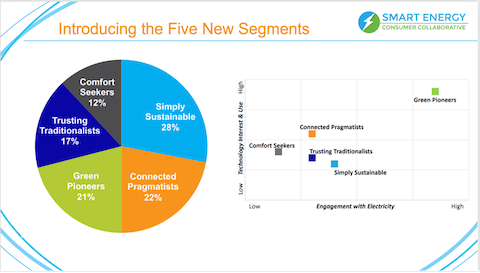
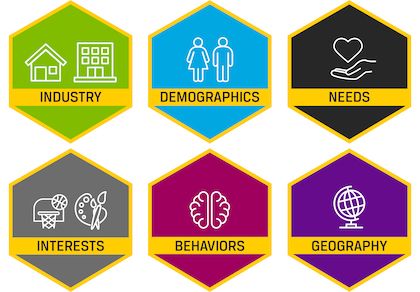
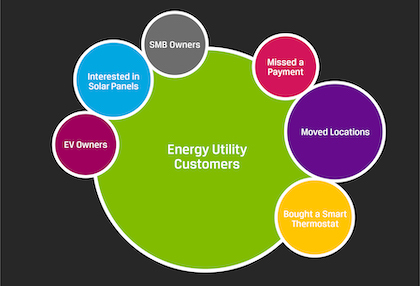
Example of criteria used to create customer segments for energy utilities

A segment can be defined as a group of customers that share identifiable characteristics that are unique from other customers. Such characteristics include:

  • Demographics: This includes characteristics such as age or income. Demographic data may be obtained from energy utility customer records or third-party databases.
  • Geography: Service territory, zip code or neighborhood. This is vital for outage and low-income communications.
  • Psychographics: What do your customers care about and what are they motivated by? When building preference centers or surveying interests, you can identify who is most likely to engage with specific topics. Some interests you might target include EV ownership, environmental concern or early adoption of new technologies.
  • Behaviors: Actions taken or not taken by customers. This includes program participation, purchases (electric vehicles, appliances), high energy use and content engagement or reading behavior.
  • Industry: Hospitals, schools, manufacturers, retailers and data centers all use energy differently. The programs, services and content promoted to business customers should shift based on their specific industry needs.

The Benefits of Customer Segmentation

According to Hubspot, the benefits of customer segmentation can be substantial — marketers who use segmented campaigns can see as much as a 760% increase in revenue.

Specific benefits of customer segmentation for energy utilities include:

  • Boost in engagement and performance: By targeting groups of customers rather than your entire list, products and services immediately become more relevant. This in turn increases customer engagement with your utility’s content and promotions. People are more likely to engage with communications that meet their needs and ignore those that don’t.
  • Better understanding of your customers: By evaluating customer behavior and pursuing segmentation, your utility will gain an understanding of what topics your customers care about. With this knowledge, you can better build future promotions to speak directly to their needs.
  • Increased loyalty: When customers feel understood and uniquely communicated with, they are more likely to be loyal to your utility and recommend its services or promotions to others.

Tips for Creating Utility Customer Segments

“You can’t create one ad or commercial that appeals to everybody, because different groups of buyers have different needs,” explains Robert Bly in his classic marketing book, The Copywriter’s Handbook. “Tailor both the content and the presentation of your information to the group of customers you’re selling to.”

Not sure where to start? Follow some of the utility customer segmentation tips below:

  • Start early. Customer onboarding is an ideal time to begin segmentation. Put your early customer touchpoints to work and gather data that can be used for future grouping. What actions do customers take, and not take, in your welcome emails? Use this information to build segments such as:
    • Mobile-friendly or tech-savvy: those who sign up for mobile alerts and payments
    • Hard to reach: those who take no action or make no indication of preferences
    • Digitally engaged: those who sign up for eNewsletters
  • Start small. You can ease into segmentation by looking at one journey or one demographic group. For example, you may want to promote mobile payments to customers younger than 40, instead of getting bogged down creating mobile payment promotions for all customers. Start with the “low hanging fruit” to make a big impact right away. Then expand.
  • Use internal and external data. While it’s important to use your own data — like what content customers click on, previous program participation or self-identified preferences — your utility doesn’t need to solely rely on this type of information.You can expand your segments with third-party data, such as credit information or vehicle ownership.
  • Segment only when relevant. Some messages don’t need to be segmented; your utility may be better served by sending the communication to the entire customer list. Or for that matter, two or three segments are often just as effective as six or eight segments. Don’t segment for segmentation’s sake.

Utility Customer Segmentation Examples

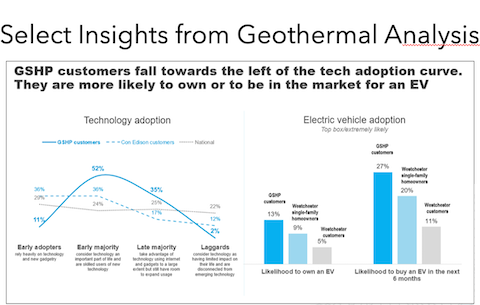
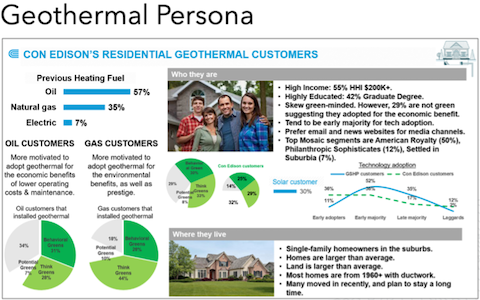
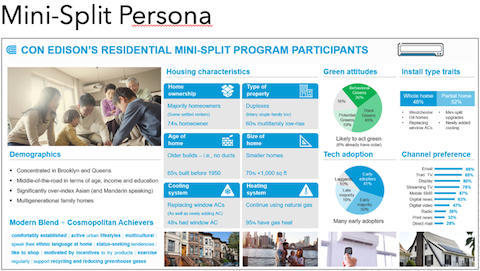
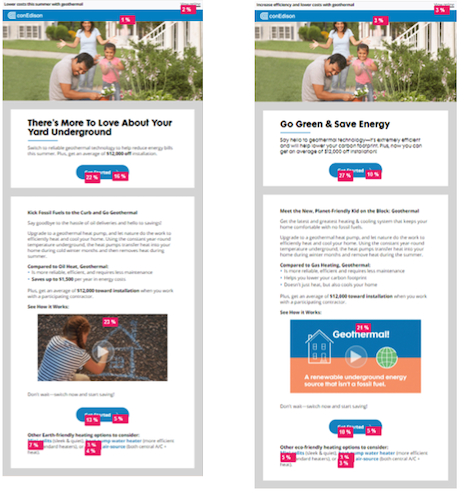
Example of customer interested used to create segmentation strategy for energy utility

The following examples of utility customer segmentation show how messaging strategies can address specific audiences to increase engagement and conversions:

  • Marketplace promotions: Specific products can be promoted to segments based on content engagement. If a customer reads your newsletter article about smart thermostats, send them an offer to buy the latest model on your marketplace. If a customer watches your videos about electric vehicles, add them to a segment that might be interested in EV smart chargers.
  • Small vs. large business: Residential and business customers have obvious differences. But so do large and small business owners. Communicate relevant messages according to employee count or facility size to increase engagement.
  • Homeowners vs. renters: Energy efficiency messaging and other program promotions can be targeted based on a customer’s ability to undertake home improvements. Renters may be interested in LED lightbulbs and smart power strips, but they probably aren’t going to buy a new furnace or upgrade their insulation; save those messages for homeowners.
  • Environmental vs. money-saving motivations: People with varying concerns respond to efficiency messages differently, even when the end result (reduced energy use) is the same. One segment of customers might be interested in paperless billing and appliance recycling because they want to save money, another segment might be more interested in reducing their carbon footprint.
  • Income-based messaging: Low-income program messages can be targeted to households that meet eligibility requirements or triggered by behavioral factors such as high bills or late payments.

Reach the Right Customers with Utility Customer Segmentation

Utility customer segmentation has the means to improve customer engagement, increase satisfaction, drive program results and boost conversions all by delivering relevant information to target audiences. The benefits of customer segmentation are clear.

Luckily, segmentation doesn’t have to be hard. By identifying customer needs, interests and motivations, your energy utility can send targeted communications that resonate with particular audiences.

Improve engagement and satisfaction with a utility customer segmentation strategy from Questline Digital.

Looking to improve digital customer engagement? Behavioral emails could be your answer.

With 75% of emails going unopened on average, your energy utility must work to send customers the emails they want to read. Behavioral sends give customers what they want when they want it.

What Is a Behavioral Email?

Behavioral emails are automated or planned email sends that are triggered by actions taken or not taken by a customer. Instead of interruption or push marketing where brands put messages in front of consumers who may or may not be interested, behavioral targeting builds on pre-determined actions and demonstrated customer interests. This gives customers exactly what they want or need.

Is Behavioral Marketing the Same as Segmentation?

Segmentation refers to building marketing campaigns for specific audiences so you can speak to their unique needs and interests. Segmentation is often done with demographic data or personas. Not all segmentation efforts are classified as behavioral, but all behavioral emails can be considered segmented. Behavioral segmentation is the sorting of people into groups based on actions they take or don’t take.

Why Should You Use Behavioral Emails?

Targeted, personalized messages have the power to transform your energy utility into a trusted partner and resource. Setting up behavior-based email campaigns can help you reach customers when they are ready to engage with you or need your help most.

Data from MailChimp shows that on average, segmented campaigns result in 23% higher open rates and 49% higher click-through rates than unsegmented campaigns.

Questline Digital’s Benchmarks data supports MailChimp’s findings, showing that when energy utilities segment eNewsletters for small businesses they see a vast improvement in customer engagement. Year over year, utilities saw:

  • 11.2% more opens
  • 45.8% improvement in click-to-open rates (CTOR)
  • 62.1% improvement in click-through rates (CTR)

As explained above, behavioral emails take segmentation even further, speaking not only to specific needs and interests, but providing that information exactly when customers need it. Essentially, the right message at the right time.

This is why behavioral emails perform better than promotional marketing emails. According to the Direct Marketing Association, over 75% of email revenue is generated by triggered emails.

Triggers for Behavioral Emails

Actions taken within marketing campaigns are the best triggers for behavioral emails. While actions like signing up for service or making a purchase can trigger automated email sends that are by definition considered behavioral, the largest impact can be made when sending follow-up emails based on clicks or opens.

Triggers for behavioral sends:

  • Open, no click
  • Click but didn’t convert
  • Didn’t open

You can set up automated workflows that follow if/then logic based on the listed actions above. Or if you’re unable to build sophisticated systems, use behavioral lists. Simply remove those contacts that don’t fit the chosen criteria and send targeted follow-up communications.

7 Behavioral Email Examples for Energy Utilities

Energy utilities can take advantage of triggered emails in a variety of ways. Here are seven behavioral email examples to help inspire your customer communications:

1. Welcome series

The most common type of behavioral email is the onboarding message. The action of signing up for service naturally prompts the need for communication. A series of welcome emails establishes a flow of information, helping customers make the most of their new account right away. This can be automated to launch immediately when people sign up for service or be sent every week to new contacts, depending on your email capabilities.

2. Program enrollment

When promoting program or paperless billing enrollment, you can use behavioral emails to further prompt customers who don’t act. If a customer clicks into your paperless billing email but doesn’t enroll, you can send a behavioral email with a different subject line, CTA or hero image. They showed interest but may need different information to take action.

Similarly, if your campaign features a time-sensitive sweepstakes or promotion, a behavioral follow-up with “don’t miss out” or “limited time only” messaging can motivate customers who previously haven’t responded to finally act. 

3. Utility marketplace

Many energy utilities are now utilizing abandoned cart emails that are popular in the retail industry. These emails are automatically triggered when a customer leaves an energy utility’s marketplace without completing a purchase. Abandoned cart emails can tout the benefits of the product not yet purchased or include a modest coupon code to further entice customers to complete their purchase.

Another idea is sending a product recommendation email after a customer makes a purchase to encourage them to shop again. When you know what customers have already purchased, you can predict what they will buy or need next and make helpful recommendations. This is a tactic that Amazon uses, with 35% of its sales directly attributed to making product suggestions based on past behaviors.

Your energy utility can also benefit from following up with useful tips on how to make the most of a recent purchase. A triggered content email that explains how to use a smart thermostat after one is purchased from your marketplace can go a long way in helping customers enjoy their new product.

4. Activity reports

You likely already have this type of behavioral email in place. Each month you may send customers payment confirmation emails or energy usage summary reports. Both are considered behavior sends because they are triggered by actions taken by the customer.

5. Web views

With proper tracking and systems in place, you can see when customers view specific pages or products on your website. If you find that a customer is viewing multiple pieces of content related to renewable energy, you can build an automated email or email series that is triggered to send after a specific number of views. This allows you to automatically send them communications that answer common questions about the topics they are researching.

6. Engagement

Take action on customers who don’t regularly open emails. For example, if a customer doesn’t open their eNewsletter for six months, you can set up an automated re-engagement campaign to encourage them to update their email preferences and subscriptions.

7. Service

When you complete a customer service call, send an automated email that asks for customer feedback. Get feedback in real-time when memories are fresh so you can take appropriate action and keep customers happy. Not to mention, capture the positive service wins of your employees.

7 More Behavioral Email Examples

Triggered emails are used by marketers in all industries, but retailers and ecommerce brands tend to lead the pack. Check out the behavioral email examples below.

1. Abercrombie & Fitch

After a customer viewed loungewear on the Abercrombie & Fitch site, but took no action, the retailer sent a behavioral follow-up that encouraged the shopper to “take another peak.”

2. Section 119

Or this example from Section 119. The retailer followed up on a web visit with the simple question, “Where’d you go?” and offered up related products to encourage more sales, adding a sense of urgency around merchandise availability.

3. Utility customer satisfaction survey

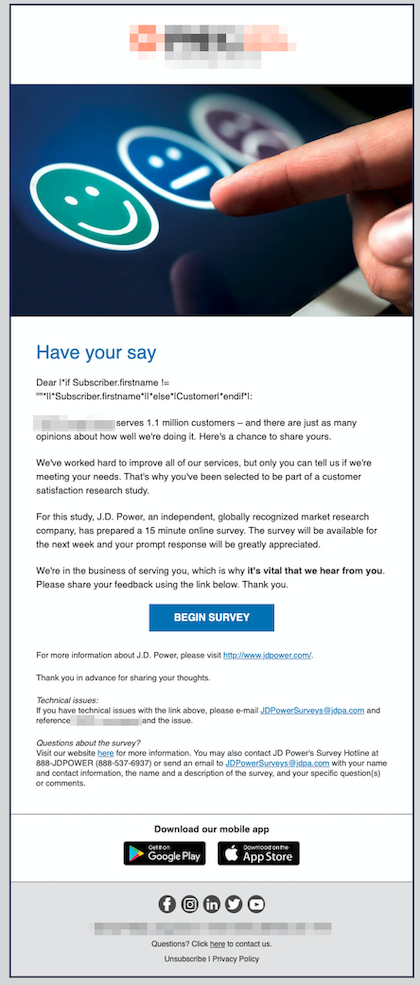
Getting customer feedback is essential. But when sending J.D. Power survey requests, it’s unrealistic to expect one email to garner maximum participation. To increase the likelihood of getting feedback Questline Digital helped one of our clients to set up reminder emails to send to customers who didn’t open or click previous messages.

Behavioral email example of utility sending customer satisfaction survey

4. Questline Digital

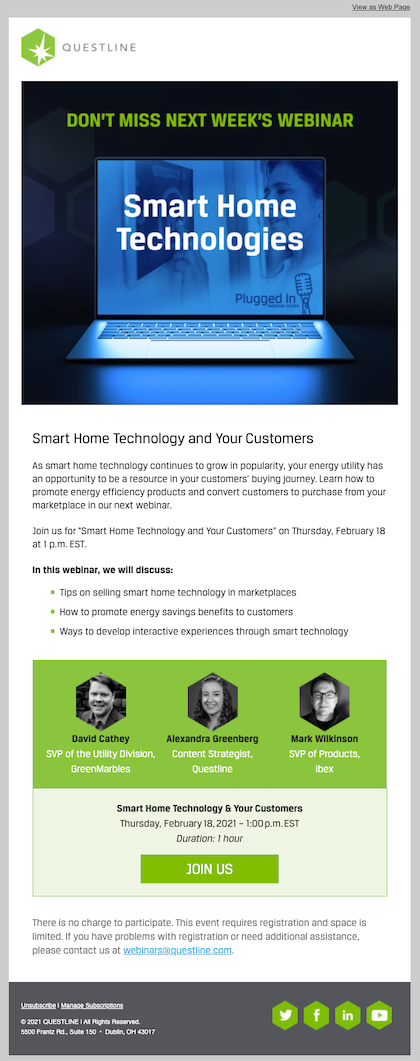
Here is a behavioral email example that Questline Digital uses in our own email marketing efforts. When a recipient opens an email about our upcoming webinar but doesn’t register, we trigger another email to send a few days later, encouraging them to finish signing up.

Behavioral email example of Questline webinar promotion

5. Homage

Post-purchase follow-up is a common use for triggered emails. Check this behavioral email example from Homage. After a customer purchased a gift card, they emailed to see how the experience went. They also made suggestions for future purchases and invited the customer to join them on social media.

6. Amazon

Here’s an incredibly simple behavioral email example from Amazon. Users with a wedding registry receive a promo code one week after their wedding date. Fully automated, this email prompts additional sales at the exact moment the newly married couple has extra cash in hand from wedding gifts.

7. Grist

Welcome emails classify as behavioral sends. Post signing up for an eNewsletter with Grist, subscribers receive the following email with information on what to expect next and how to update their preferences.

Getting Started with Behavioral Emails

Could your energy utility’s program promotions benefit from the addition of behavioral emails? If you’re not doing them already, the answer is yes. Building automated email sends and/or setting up manual workflows based on customer actions is one of the best ways to boost email engagement and program participation.

Learn how Questline Digital can elevate your digital customer relationships with behavioral email marketing.

Studies show that 86% of buyers will pay more for a better customer experience. But you can’t improve your utility’s customer experience if you don’t understand it from your customers’ perspective. That’s where customer journey mapping comes in.

Journey mapping is critical for understanding and solving customer pain points. This becomes even more important as customer experiences shift with changing technologies and preferences. Customer journey mapping lays the groundwork for greater engagement and sets your utility up for success and long-term customer satisfaction.

To better uncover and solve customer pain points, your energy utility can benefit from using the right customer journey mapping software. Consider the following tips and tools to assess and improve the customer experience at your energy utility.

What is Customer Journey Mapping?

Customer journey maps are visual workflows that outline the step-by-step experience a customer has with your brand, service or product. The workflow typically includes steps from both the customer’s and company’s point of view, but focuses on the cumulative experiences across multiple touchpoints and channels over time.

Customer journey map examples provide clearly defined start and stop points for the experience you want to highlight, inclusive of customers’ actions, emotions and behaviors.

Companies that do not incorporate experience mapping risk facing an array of negative consequences. According to McKinsey, failing to appreciate customer journey mapping can include consequences like:

  • Customer defection
  • Dramatically higher call volumes
  • Lost sales
  • Lower employee morale

In contrast, there are many benefits to customer journey mapping, including:

  • Strategize and plan for utility resources
  • Identify and solve for customer pain points
  • Improve overall customer satisfaction
  • Enhance sales and retention
  • Reduce end-to-end service cost
  • Identify operational inefficiencies within the utility
  • Strengthen employee satisfaction

Delivering an exceptional customer journey experience makes it more likely that customers repeat a purchase, spend more, make a recommendation to their friends and stay updated with your utility.

“Almost 90% of those using customer journey mapping said their program is delivering a positive impact, the most common one being an increase in customer satisfaction,” according to Mike Weir, Chief Revenue Office at G2. “Lower churn, fewer customer complaints, and higher NPS [net promoter scores] were also among the top impacts.”

How Do You Create a Customer Journey Map?

Follow these steps when preparing to develop a journey map:

  • Identify the experiences you want to analyze
  • Identify the users in the experience
  • Cluster your users into distinct groups
  • Interview users from your groups to get direct input
  • Map out the steps, including actions, mediums, emotions and behaviors

It helps to start with your goals and ask yourself, “Whose journey am I mapping?” From there, you can create a customer persona and capture the highlights of the journey in easy-to-understand stages. Remember, you want to make the customer journey map actionable.

Customer Journey Mapping Software and Tools

There are so many utility customer journey mapping tools available that it can be overwhelming to choose which one to use. We’ve compiled a list of some of the top platforms to make it easy for you to decide.

“When choosing a software, it depends on how robust you want the journey map to be, and then how visually appealing you want it,” says Zach Hardison, Questline Digital’s Vice President of Solutions Innovation. “Make sure the software meets your needs and accomplishes your journey mapping goals. And don’t overcomplicate it — sometimes simple is better if creates an easy-to-understand and actionable process. Every customer experience is different — choose a software that fits with the experience that you’re mapping out.”

When choosing customer journey map software, consider:

  • Easy design functionality
  • Quick and simple editing
  • Sharing capabilities
  • Real-time collaboration
  • Integration with data

Five Tools to Create Your Customer Journey Map

1. Mural: A whiteboard tool with pre-built templates, capabilities for real-time collaboration and easy-to-use models for common cases and proven methods.

  • Price: Various subscriber options ranging from free to $18 per user per month depending on your needs.

2. LucidChart: Simple cut-and-paste capabilities that allow teams to clarify complicated processes. This software is used by many Fortune 100 companies, including HP and NBC.

  • Price: Plans ranging from free to $13.50 per user per month.

3. Microsoft Visio: Another simplified shapes tool, this flowchart and diagramming software provides premade templates, starter diagrams and stencils. It also allows for real-time collaboration and features integration with Microsoft for easy sharing.

  • Price: Free trial version, with paid options ranging from $5 to $15 per user per month.

4. InDesign: Adobe is well known for its robust suite of design tools. There is a learning curve if you’ve never used Adobe products before, but the capabilities allow you to create beautiful designs.

  • Price: $34 per user per month, or $80 per month for all of Adobe Creative Cloud apps.

5. SuiteCX: A good mix of features and design elements for those who are seeking robust capabilities without a steep learning curve. It also provides a built-in journey mapping analytics platform to track your progress.

  • Price: Based on company size, ranging from $2,000 per month to $20,000 annually.

Integrate Customer Journey Mapping into Your Strategy

Customer journey mapping is a process that gives your utility the opportunity to create better, more seamless customer experiences that boost engagement and satisfaction. Take advantage of our insights into customer journey map software to build the foundation for a successful journey mapping process.

Remember: No process is perfect. It’s important to keep this in mind and take a step back before jumping into journey mapping. Your goal is to create the best experience you can, considering that as technology and customer preferences shift, the processes will continuously evolve.

As Annette Franz, CEO of CX Journey said, “Journey mapping is a creative process that allows you to understand — and then redesign — the customer experience. The output is not just a ‘pretty picture;’ once the map is developed, it is meant to be a catalyst for change.”

Learn how Questline Digital can help your utility kick off a customer journey mapping strategy to build engagement and customer satisfaction.

To keep customers engaged in between billing notices and program promotions, energy utilities should have a consistent touchpoint like a monthly utility newsletter. This ongoing communication is popular across audiences, from residential customers to small business owners to C&I facility managers.

According to Questline Digital’s 2020 Energy Utility Benchmarks Report, utility newsletter readers are much more engaged with their energy utility’s program promotions. In fact, residential eNewsletter readers open promotional emails at a 37% higher rate. Small and medium business eNewsletter readers click on promotional emails at a 73% higher rate.

To gain more insights, we spoke with Brian Lindamood, Questline Digital’s VP of Marketing & Content Strategy, about the power of eNewsletters and why they are essential for energy utilities.  

Why are utility newsletters a vital customer engagement tool?

A monthly email newsletter is a critical part of a customer engagement strategy for any energy utility. They provide a regular touchpoint — a monthly reminder that the utility is working to improve customers’ lives — which is key to maintaining customer satisfaction over the long run. As part of a comprehensive content strategy, eNewsletters can reinforce messages shared on social media and drive traffic to relevant pages on a utility’s website. This creates a consistent customer experience across digital channels.

eNewsletters are also a more personal connection than other channels. When you reach inboxes on a smartphone — and more than 60% of utility newsletters are read on mobile devices — your message is going literally into customers’ hands. Plus, email is the most flexible channel. By segmenting your eNewsletter audience, you can deliver extremely relevant, targeted content that you know customers will be interested in.  

How do eNewsletters build engagement with customers versus a one-time email?

Utility newsletters are a consistent, reliable touchpoint between an energy provider and its customers. This is a chance for utilities to be part of customers’ lives on a regular basis by answering their questions, providing helpful advice and sharing interesting information.

Ultimately, this ongoing engagement builds trust and helps customers see their utility as a helpful resource. You simply cannot build that kind of relationship with a one-time email.  

What is the recommended utility newsletter cadence for maximum engagement?

We recommend a monthly schedule for utility newsletters. Our performance metrics have shown that this is “just right” — not too often, but not so infrequent that you lose the benefit of regular contact.

An eNewsletter builds engagement in part because of its regular cadence. Customers know to expect interesting content and useful advice from their utility, and they get in the habit of looking for it every month. In our experience, a bimonthly or quarterly newsletter schedule loses that benefit and delivers lower engagement. (See comparison chart below.)

Why do customers often see more value in eNewsletters compared to other types of campaigns, such as program promotions?

Advertisements are easy for customers to tune out. An unwanted promotional email is easy to delete. On the other hand, customers open eNewsletters because they want to read them — they look forward to receiving useful advice. Customers value their utility newsletters because the content interests them; it’s not just trying to sell them something.

What types of content should be included in a utility newsletter?

The best content helps improve customers’ lives. It may be energy efficiency advice that helps a customer save money, do-it-yourself tips that make a customer’s home more comfortable or educational content that helps a customer improve their energy use.

In terms of format, we recommend using a mix of text articles, videos, infographics and interactive games and quizzes. Some topics lend themselves to different formats better than others — say, because of the complexity or visual nature of the information. But more important, customers want to engage with content in a variety of ways. Sometimes they want to learn about energy through a fun quiz or watch an entertaining video. Other times, they need the visual detail of an infographic that breaks down a complicated topic.

Why is audience segmentation a valuable strategy for eNewsletters?

The goal of any content strategy is to build a long-term relationship with customers by providing content that is interesting and useful to them. Of course, not every customer is interested in the same things. If you can identify those differences, and provide specific content that meets those interests, you are more likely to increase engagement and build a strong connection with those customers.

A simple example, and one we recommend, is to create residential segments for homeowners and renters. Homeowners will be looking for energy efficiency advice that includes more elaborate renovation projects — such as insulation or HVAC replacement — where renters are more interested in efficiency measures that don’t require a large investment, like using LED lightbulbs or smart power strips.

To engage business customers, we recommend creating industry-based segments. For example, a retail shop, manufacturing plant and healthcare facility have wildly different energy needs. Through a segmented eNewsletter, we can deliver specific content to each industry. This is not only more useful to the customer, but it increases engagement and ultimately improves customer satisfaction.

A Look Back: Quarterly vs. Monthly Utility Newsletters

Since a majority of our utility partners now deploy monthly eNewsletters, 2017 is the most recent year we have metrics on monthly versus quarterly sends. In our Energy Utility Benchmarks Report, we looked at the average performance metrics across business audiences.

Based on this data, energy provuders were able to increase reach by 17 percentage points when sending utility newsletters monthly instead of quarterly.

Chart showing the performance of quarterly newsletters and monthly newsletters

Monthly newsletters perform better than quarterly newsletters across all categories. We continue to see that when communications become less frequent, customer engagement suffers.

Learn how Questline Digital’s utility newsletters can build engagement with your customers.

More than 81% of Americans own a smartphone, yet many consumers still receive their utility bill through snail mail. For energy utility marketers, encouraging customers to go paperless is no easy task. Customers are accustomed to receiving paper bills — and old habits can be hard to break.

Useful Tips for Encouraging Customers to Go Paperless

According to a Utilities & Telecom Consumer Payments Insight Report, while 66% of customers receive bills by mail, only 48% prefer to receive them this way. This report also finds that 45% of customers prefer to pay via an online/digital payment service. In other words, customers might be used to paying their bills with checks and stamps, but they are open to more convenient options.

The first step to encouraging customers to go paperless is acknowledging the barriers that hold them back. Once you accomplish this, then your energy utility can find the e-Bill benefits that would provide a positive impact on their daily lives. Through our work with energy utility companies across the country, we have found these five effective strategies for increasing e-Bill conversions.

1. Debunk paperless billing security concerns

For some customers, particularly older generations, a major concern about paperless billing is payment security. They are worried that their personal information could fall victim to scammers online. To encourage customers to go paperless, reinforce the safety of paperless billing and how it is often more secure than dropping a check in the mail.

The reality is paper statements are not free of fraud risk. Mail can be delivered to the incorrect address or intercepted into the wrong hands. Be sure to highlight the steps your energy utility takes to ensure customers’ personal information is protected.

2. Highlight payment reminders and other useful features

For many customers, paper bills are helpful reminders to ensure they pay their bill on time. Without a paper bill showing up in the mail each month, customers fear missing a payment. Encourage customers to go paperless by highlighting the convenience of email and text reminders.

Unlike paper statements, customers don’t have to be at home to receive them. In fact, they can be on a beach vacation and receive a text reminder that their bill is due. With alerts sent straight to a customer’s smartphone, paperless billing actually provides more effective reminders than old-fashioned paper bills.

Example of email encouraging customers to go paperless with payment reminder

It behooves energy utilities to promote the other useful features, including easy access to current and past bills in My Account. Nowadays, everyone is looking for ways to reduce paper clutter and simplify their lives. Your customers will appreciate this convenient option for keeping track of their bills. Instead of storing paper bills in a filing cabinet or desk drawer, electronic statements are available in My Account for safe recordkeeping. You can encourage customers to go paperless by promoting these useful, yet lesser known, benefits of ebill.

Example of email encouraging customers to go paperless by saving time

3. Showcase the convenience of ebilling

With our on-the-go schedules, everyone is looking for less stress and more convenience. One of the most popular benefits of paperless billing is the flexibility of “anytime, anywhere” online bill access.

Instead of waiting for a paper bill in the mail, customers can view their bill while waiting in line at a coffee shop or taking their dog for a walk. Emphasize the convenience factor in your email campaigns to encourage customers to go paperless, including the ability to view and pay their bill from any location.

Example of email encouraging customers to go paperless with convenience

4. Make enrollment easy and quick

One of the biggest barriers to paperless billing adoption is a complicated enrollment process. Everyone is strapped for time in our 24/7 world — that’s why your utility needs to make ebill enrollment as streamlined as possible.

Even if customers are finally ready to make the switch, a long and complicated enrollment process can stop them in their tracks. To encourage customers to go paperless, we recommend creating a one-click enrollment on your website or mobile app. Also, be sure to highlight the ease of enrollment in your promotional campaigns. For example, use language such as “enroll in 30 seconds” or “you’re only one click away from e-Bill convenience.”

Example of email encouraging customers to go paperless with easy enrollment

5. Educate customers about the environmental impacts of paper waste

Environmental concerns are top of mind for residential and business customers alike. Your ebill promotions should remind customers that going paperless will not only reduce paper clutter in their homes and offices, but keep paper out of landfills as well.

Paper makes up 26% of total landfill waste, and account for 50% of the waste generated by businesses. By showcasing the impact of ebill on reducing this waste, your utility can go a long way to encourage customers to go paperless.

Keep in mind, not all customers are motivated by the environmental impact of ebill. In email campaigns, eco-friendly messaging should be subtle and mentioned along with other benefits like convenience or easy enrollment.

Break Barriers and Increase Conversions

While it can be a challenge to encourage customers to go paperless, it’s not an impossible task. With the right messaging, your energy utility can help customers replace old habits with new ones.

Get more of your energy utility customers to sign up for paperless billing with a digital engagement strategy from Questline Digital.